Why Tech Support Isn’t Optional in 2025
Let’s face it—your website isn’t just a digital brochure anymore. It’s your 24/7 representative, the gateway to your brand, and sometimes, your entire business model. That’s why, in 2025, technical support for websites and strong
website design and development services will no longer be just nice to have, but essential. If your site goes down, gets hacked, or loads too slowly, you’re not just losing visitors; you're also losing credibility. You're losing trust, revenue, and credibility.
What Should Technical Support Actually Cover?
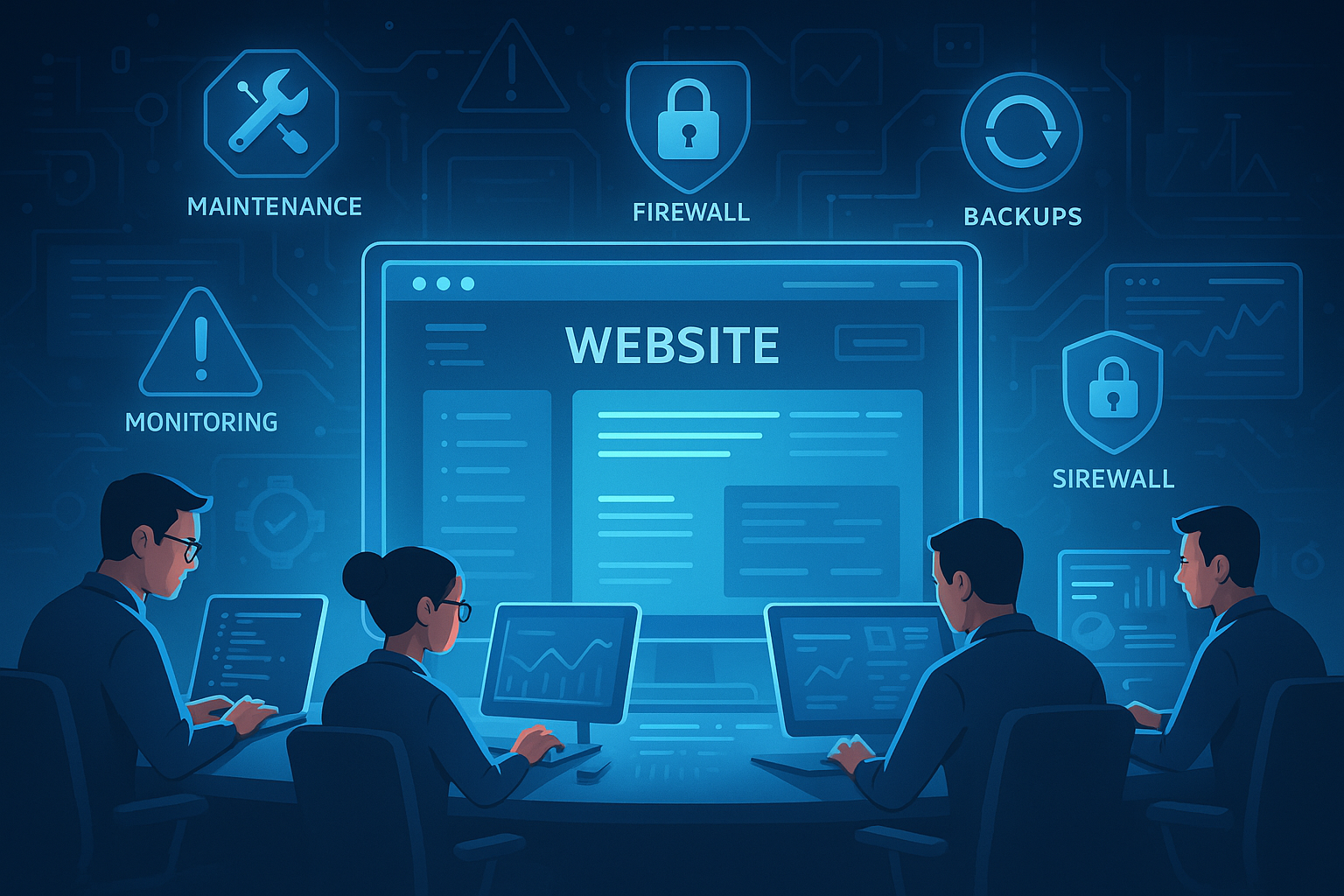
Real support is more than just someone on the other end of a help desk. It’s about having a team that keeps your website sharp, fast, and protected. Here's what a solid tech support plan should include:
- Website maintenance services to stay updated and bug-free
- Website security solutions to block hackers and bots
- Speed optimization services to keep your pages loading lightning fast
- SSL certificate installation to keep data secure and build trust
- Custom API integration for all the third-party tools you use
- Website migration without the nightmare of downtime
- Cloud hosting solutions that grow with your business
- Real-time analytics so you’re never caught off guard
Each part matters in making sure your site performs smoothly while being safe and scalable.
Website Security Solutions: Why You Can’t Ignore Them
Cyber threats are getting smarter—and sneakier. Basic antivirus software just won’t cut it anymore. Today’s
website security solutions involve layered protection: firewalls, bot blockers, live monitoring, and vulnerability patching. Skip these, and you're not just risking your data—you could be facing major legal and financial headaches.
Bonus Layer: Two-Factor Authentication (2FA)
Want to add an extra layer of security? 2FA makes sure only the right people can get into your backend. It’s one of the easiest upgrades with one of the biggest impacts.
The Backbone: Regular Website Maintenance
Think of your website like a car—it needs regular servicing. That means plugin and CMS updates, cleaning up broken links, testing UX, and scheduling backups. Routine care can keep little problems from turning into big disasters.
Scheduled Backups & Restore Points
Stuff happens, servers crash, hackers get in, and plugins break. With backups and restore points, you can bounce back fast.
Real-Time Monitoring
Tools like Cloudflare and Sucuri give you 24/7 eyes on your site. They send alerts and block threats before you even know there’s an issue.
SSL Certificate Installation: Build Trust Instantly
Ever landed on a site that screams "Not Secure"? Yeah, most visitors leave immediately. An SSL certificate installation encrypts user data and keeps browsers happy. It's also a plus for Google rankings.
Downtime Isn’t Just Annoying—It’s Expensive
Every minute your site is offline, you're losing more than traffic—you're losing money. For an
ecommerce website, a few hours of downtime could mean thousands in lost sales, not to mention long-term damage to your brand. That’s why investing in reliable website design and development services is crucial to ensure your site remains functional, secure, and optimized around the clock.
Real Talk: What Does Downtime Cost?
Industry stats say you’re looking at $5,600 per minute. Yikes.
Picking the Right Tech Support Partner
You need someone who gets your business—and your stack. Look for a team that provides full-scale IT & technical services, has great reviews, clear SLAs, and understands your platform.
The right partner doesn’t just keep things running. They become part of your team.
Website Performance: It’s More Than Just Speed
Speed matters, sure. But so does mobile compatibility, third-party integrations, and making sure users don’t hit dead ends. A good support team regularly audits your site and uses
speed optimization services, CDN setups, and load balancing to keep things humming.
Load Testing Before Big Events
Planning a sale, campaign, or new launch? Load testing tells you if your site can handle the heat.
Real-World Rescue: A Case Study
A mid-size
ecommerce website got hit with a data breach—outdated plugins were the culprit. Their tech support team jumped into action:
- Isolated and restored the site
- Added 2FA and web firewall (WAF)
- Ran a full forensic check
- Set up round-the-clock monitoring
The business was back online in 12 hours, with customer trust intact.
Building Resilience Into Your Site
Want peace of mind? Here’s what you’ll need:
- Elastic hosting that scales with traffic
- Automated backups
- Real-time alerts
- Support that’s ready when you need it
- Technical support for websites built for high-traffic conditions
2025 Cybersecurity Trends: What’s Ahead
Stay ahead of the curve with:
- AI-based threat detection
- Zero-trust security models
- Blockchain authentication
- Compliance-ready frameworks (GDPR 2.0, CCPA)
- Built-in vulnerability scanners
Scalability: Your Tech Stack Should Grow With You
As your site grows, so should your infrastructure. That means making room for new tools, content, and traffic. Tech support teams help by managing
custom software development, API maintenance, and ongoing upgrades.
SaaS & Ecommerce: Tech Support Is a Must
Whether you’re building a SaaS product or running an
ecommerce website, having the right technical team behind you means better uptime, safer data, and faster fixes. It also gives you freedom to innovate and scale without breaking things.
Integration Support Without the Headaches
Need to link your CRM, ERP, or payment platform? A strong support team can handle custom API integrations without breaking existing features.
Conclusion
Treat your website like the asset it is. Don’t just pay for design and forget the rest. Real value comes from continuous care, proactive protection, and flexible growth. By investing in
professional website design and development services now, you’re setting your business up for fewer issues down the road and building a stronger, more resilient online presence.
Smart brands know: behind every great digital experience is a rock-solid support system.